
Can Sustainable Cosmetic Packaging Protect Vitamin C, Retinol, and Other Sensitive Formulations?
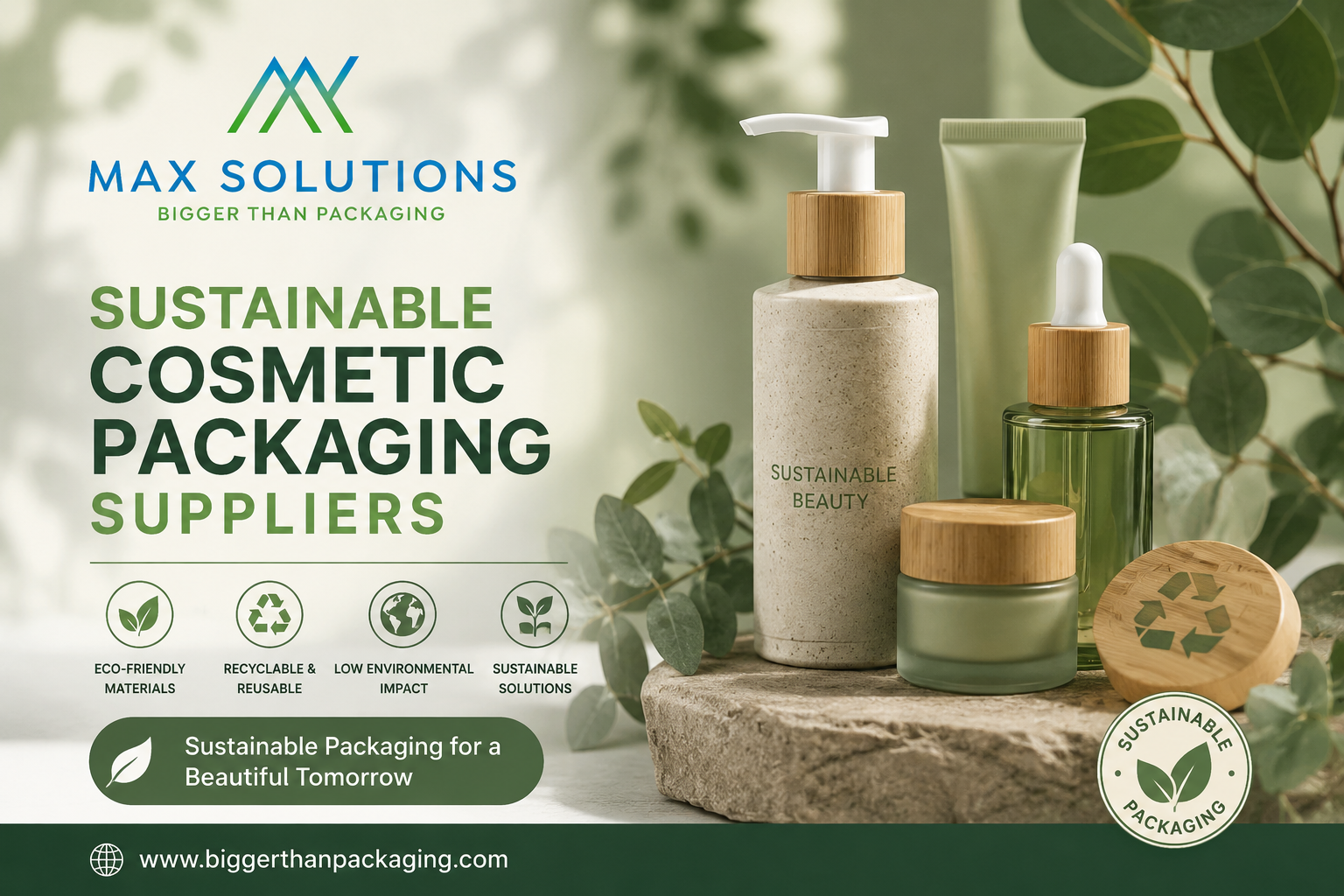
Summary:Sometimes sensitive skincare ingredients like Vitamin C and retinol have to be packaged to protect from oxygen, light, and moisture. Modern, environmentally friendly packaging has both sustainable and high- barrier functionality. By partnering with a cosmetic packaging supplier with years of expertise in sustainable packaging, brands can maintain their product quality while simultaneously minimizing their environmental footprint and keeping up with changing consumer demands.
This challenge has sparked an important question across the beauty industry: Can sustainability and product protection coexist? The answer is yes. Modern environmentally friendly packaging is no longer limited to recyclable materials. In the modern era, creative packaging solutions dovetail with sustainability, with new levels of barrier properties, so large corporations can guarantee that their ingredients stay intact and don't harm the environment. Consequently, businesses are now turning to savvy sustainable cosmetic packaging suppliers for solutions that are not just effective, safe, and environmentally friendly, but also balanced.
How Sustainable Packaging Preserves Active Ingredients?
There is a much reduced suspicion that "green" packaging will not provide adequate protection for the product. Today's packaging not only aims to pack a product, but also to do it in an environmentally friendly manner.
High-Barrier Materials
Many revolutionary materials are now available that are highly resistant to oxygen, moisture, UV, etc. Advanced recyclable plastics, mono-material packaging, coated paper solutions and new innovative bio-based products can offer the same protection as current plastic packaging.
These barrier properties allow the sensitive formulations to be maintained from the time of manufacture to the time of shipment, through the retail display, and to the time of use.
Airless Dispensing Systems
One of the most notable innovations in skin care packaging is Airless pump bottles.
These products are dispensed into the product container while minimizing exposure to oxygen instead of allowing air to return after use. This could help lower the rate of Vitamin C and retinol oxidation and the risk of multiple finger touch-ups.
UV-Blocking Packaging
Active ingredients are among those with the biggest enemies, and that one enemy is sunlight.
Instead, amber containers, opaque containers, and UV-resistant coatings can protect from degradation caused by light while maintaining sustainable design goals. There are now many recyclable materials, which also include UV protection and don't harm the environment.
Sustainable Doesn't Mean Less Protective
Brands used to think that in order to be environmentally-friendly, they had to sacrifice performance. In the past, it was thought that brands would have to sacrifice performance if they wanted to be eco-friendly. Those compromises are now becoming increasingly scarce.
Leading sustainable cosmetics packaging suppliers now design the packaging to sensitive formulations by using a combination of:
Oxygen barrier technology.
Moisture-resistant layers.
Recyclable mono-material structures.
The list of available materials includes PCR (Post-Consumer Recycled) materials.
Refillable packaging systems.
Low-weight materials to achieve lower transport emissions.
The solution is packaging that keeps the product safe and green.
Why Packaging Design Matters as Much as Materials?
Chosen materials are only one factor. Packaging design has a direct impact on how often the product is exposed to harmful environmental factors.
Well-designed packaging minimizes:
Informal/Private (N/A)
Light penetration
Product contamination
Excessive product waste
For instance, micro-dispensing openings, precise pumps and refill systems minimize, but won't rule out, exposure to the consumer while maximizing use of the remaining product.
Such a mix of savvy engineering and eco-friendly materials extends the lifespan of the product, and helps to promote a sense of sustainable living.
Choosing the Right Sustainable Cosmetic Packaging Partner
Not all packaging companies are experienced in developing products that will keep the active ingredients of powerful skin care products. Choose an expert sustainable cosmetic packaging supplier, and brands will receive solutions that are ingredient-sensitive, comply with regulations, and address sustainability goals.
The best supplier knows that:
Compatibility between packaging materials and cosmetic ingredients.
Familiarity with water conditions for Administration and Minimum barrier performance for different formulations.
Sustainable material innovations.
VPU (Fill weight) and SRA (Recyclability) specification for different markets.
Consumer usability and high-quality product appearance.
Early teamwork during product development will allow packaging specialists to offer design choices that maximize shelf life without compromising sustainability.
The Future of Sustainable Cosmetic Packaging
The packaging industry in the beauty sector keeps investing in packaging technologies to make them smarter, improving the functionality and stability of products while minimizing any negative impact on the environment.
Emerging innovations include:
Bio-based high-performance polymers.
Advanced refill systems.
Use of smart packaging which helps to keep the product fresh.
The increased barrier efficiency of the recyclable materials.
Lightweight designs that help to reduce carbon emissions.
The developments reflect a trend where sustainability and product protection are no longer conflicting values in design, but complementary ones.
Conclusion
The ultimate in protecting active ingredients in skin care formulation is far more than a good product. Packaging is a first defense against oxidation, moisture, and light that can affect product performance. The numerous innovative sustainable packagings of the day demonstrate that there are no trade-offs between sustainability and functionality. Cosmetic companies can trust their choice of sustainable cosmetic packaging supplier to ensure they can offer the same efficacy as they would with conventional packaging while keeping the environment top of mind.
Find our unique sustainable packaging solutions for today's modern cosmetic brand.
FAQs
1. Why is Vitamin C sensitive to packaging?
Vitamin C is prone to oxidation very easily when exposed to air and light and protective packaging is necessary to maintain the efficacy of the vitamin throughout the product's shelf life.
2. Is there sufficient data from sustainable packaging trials showing that it protects the retinol?
Yes. New and sustainable packaging allows the use of UV-resistant materials, oxygen barrier constructions and airless-dispensing systems in order to safeguard retinol formulations.
3. What do you mean by 'airless cosmetic packaging?
Airless packaging eliminates exposure to air in the packaging and helps keep sensitive active ingredients intact and contamination minimized.
4. What are some of the advantages that sustainable cosmetic packaging suppliers offer to cosmetic brands?
They offer tailor-made packages that deliver the perfect protection, compliance, sustainability and good looks for the ingredients.
5. Is environmentally friendly packaging only made from recycled materials?
This can be made up from recyclable materials, bio-based plastics, refillable systems, lightweight designs, and innovative barrier technologies that will minimize environmental impact whilst keeping cosmetic formulations safe.