
What Defines High-Performance Packaging for Consumer Products
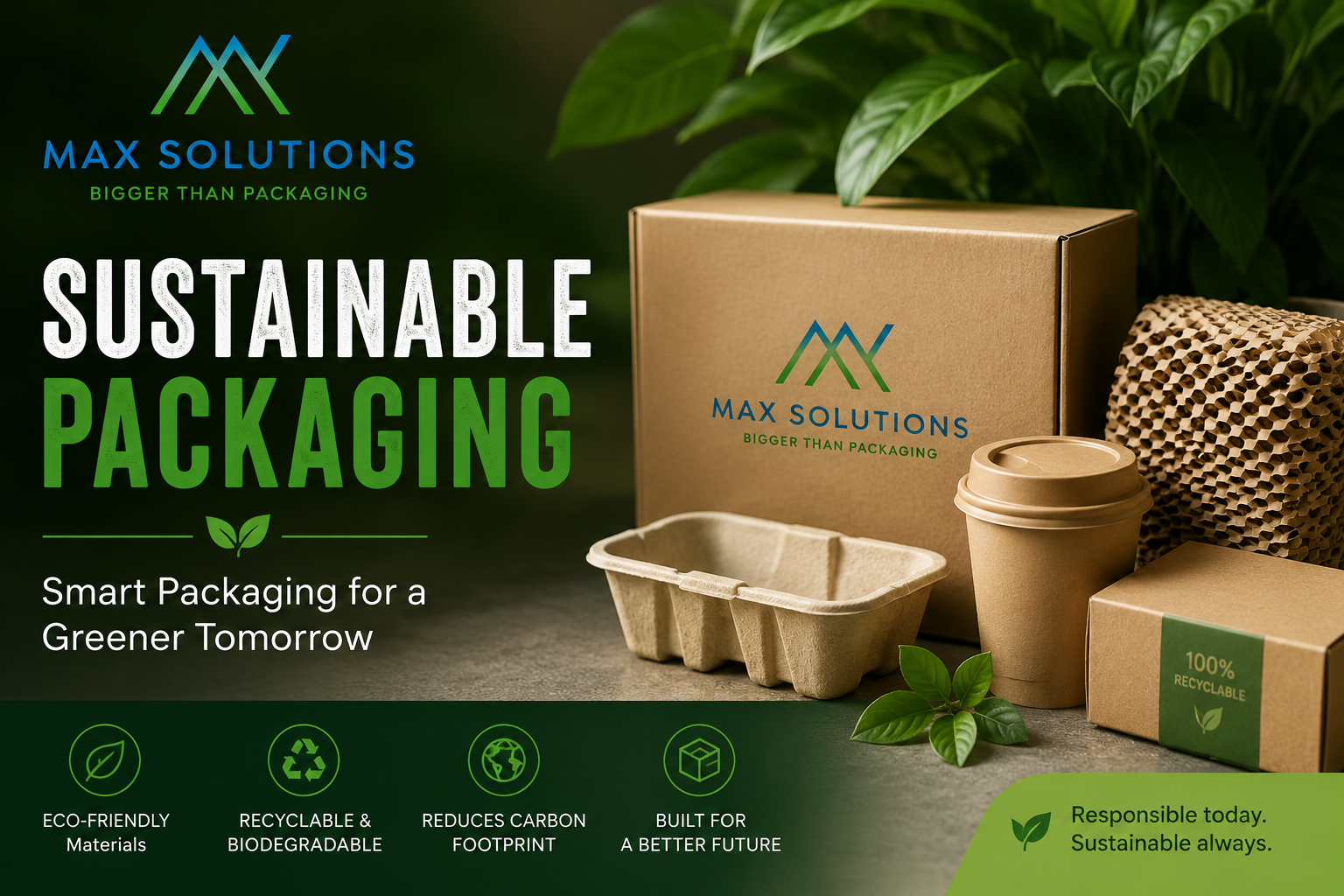
Summary: High-performance packaging combines durability, intelligent design, efficient manufacturing, excellent presentation, and environmental responsibility into one complete solution. Businesses that invest in quality packaging improve product protection, customer satisfaction, and operational performance while preparing for future market demands. Incorporating sustainable packaging practices alongside practical solutions such as ready-made trays creates packaging systems that deliver lasting value across the entire supply chain.
Consumer products compete in crowded retail stores and fast-growing online marketplaces where packaging plays a much bigger role than simply holding an item. High-performance packaging protects products, strengthens brand identity, improves logistics, and enhances customer satisfaction. Businesses that invest in thoughtful packaging solutions gain a competitive advantage through better durability, improved presentation, and greater operational efficiency. As industries continue to evolve, sustainable packaging has also become an important factor in delivering long-term value while meeting consumer expectations.
Understanding High-Performance Packaging
High performing packaging is served with the highest protection, function and visual appeal during the product's life cycle. Whether it's in the factory, on the truck, the retail store and in the hands of the customer, packaging must deliver consistency in each phase of the journey.
Businesses consider several performance characteristics when choosing the packaging for their product, besides its appearance:
Product protection.
Material durability.
Transportation efficiency.
Consumer convenience.
Brand presentation.
Sustainability.
Cost effectiveness.
Many manufacturers embed ready-made trays into packaging machinery to simplify packing, enhance product stability during transport, and ensure stable storage time.
Product Protection Remains the First Priority
The primary focus of any packaging solution should be product protection against damage. Effective packaging can help reduce the potential risks to impact, vibration, moisture, dust and temperature changes.
Effective protection helps businesses reduce:
Product returns.
Shipping damage.
Customer complaints.
Replacement costs.
Inventory losses.
By selecting high-quality product materials and implementing sustainable packaging strategies, companies can ensure the products' security and safety whilst minimizing the impact on their environmental footprint.
Material Selection Makes a Significant Difference
The right material has an impact on packaging performance. Depending on product weight, fragility, shelf life and transportation needs, various material properties are required for different industries.
Common considerations include:
Strength.
Flexibility.
Moisture resistance.
Print quality.
Weight.
Recyclability.
Ready-made trays, particularly for healthcare and consumer packaging where accuracy is essential, are also many times used by packaging manufacturers.
Packaging Design Supports Better Performance
A good packaging design is a combination of engineering and creativity. The stacking ability, storage efficiency, transportation stability and customer experience are the aspects that are affected by the structural design.
Some of the significant design aspects are:
Structural Integrity
Packaging should be able to hold its own structure during transportation and handle without collapsing or rippling.
Ease of Use
Consumers appreciate packaging that opens easily, stores conveniently, and protects products after opening.
Efficient Storage
Dimensions of packages should take advantage of available space in the warehouse as much as possible with as little wasted space as possible.
Supply Chain Efficiency Begins with Packaging
Packaging starts all the way at the beginning of the supply chain to ensure supply chain efficiency.
Packaging has an impact throughout the entire production chain. Efficient designs cut down on transportation costs, make warehouse processes easier, and fasten the fulfillment process.
Benefits include:
Better pallet utilization.
Faster packing processes.
Reduced material waste.
Improved inventory management.
Lower shipping expenses.
Businesses frequently rely on ready-made trays to simplify automated packaging lines while maintaining consistent product placement throughout distribution.
Consumer Experience Extends Beyond Protection
Packaging often creates the first physical interaction between a customer and a brand. Building customer confidence is achieved through attractive and functional packaging that would improve the sense that the product quality is good.
Consumers appreciate packaging which provides them with:
Premium appearance.
Easy handling.
Clear product information.
Convenient storage.
Recyclable materials.
Recently, sustainability has been an integral part of many consumer’s buying decisions, and customer expectations are always changing.
Printing Quality Enhances Brand Recognition
Any package that sells a product needs to have superior print quality, or it cannot convey brand identity to the customers well. Printing quality, graphics and color are sharp and vivid, and there's uniformity in color printing and graphics.
Quality printing supports:
Brand recognition.
Product differentiation.
Consumer trust.
Regulatory compliance.
Marketing effectiveness.
Special packaging usually integrates innovative print-techniques with ready-made trays to provide high quality packaging while remaining practical.
Sustainability Adds Long-Term Value
As a result, sustainable solutions are crucial in the packaging development process. Businesses are seeking to reduce waste and yet protect the product and remain efficient in their operations.
Some sustainability measures that have been proposed are:
Using recyclable materials.
Reducing excess packaging.
Improving production efficiency.
Optimizing transportation.
Minimizing carbon emissions.
Organizations are able to fulfill the environment-oriented objectives of packaging and enhance their reputation through sustainable packaging solutions in modern-day.
Packaging Must Adapt Across Different Industries
Packaging is a critical element in any industry with specific requirements. Healthcare, cosmetics, consumer goods, electronics, and media products each demand specialized packaging solutions based on product characteristics and regulatory standards.
In many instances, industry-specific packaging can be developed to concentrate on:
Safety.
Product integrity.
Tamper resistance.
Shelf presentation.
Transportation reliability.
Wrapping with ready-made trays is increasingly being incorporated in customized packaging machinery due to the benefits they offer in terms of orderly positioning of products and ensuring automated lines.
Technology Drives Packaging Innovation
Successful application of advanced manufacturing technologies still enhance packaging qualities and uniformity. The manufacturing of packaging is made possible by automation, precision cutting, digital printing and quality control processes to ensure reliable packaging at scale.
Technology contributes to:
Faster production.
Greater accuracy.
Improved consistency.
Reduced waste.
Better quality assurance.
These innovations, coupled with sustainable packaging efforts, contribute to the optimization of business operations and adaptability to evolving market demands.
Choosing the Right Packaging Partner
To design high performance packaging; you need a combination of experience, sophisticated technology and some flexibility in the packaging material. An experienced packaging partner understands industry requirements and delivers solutions that support product protection, operational efficiency, and brand growth.
Look for a packaging supplier that meets the following criteria:
Industry experience.
Material capabilities.
Design expertise.
Manufacturing technology.
Quality standards.
Sustainability initiatives.
Supply chain support.
A good partner also will comprehend how solutions, such as ready-made trays, are applied within a total packaging strategy for various consumer products.
The Future of High-Performance Packaging
Innovation, efficiency and sustainability will play a major role in packaging in the near future. To achieve a better performance of their packaging and, at the same time, minimize waste, businesses are turning to more sophisticated materials and manufacturing processes, combined with an increasing reliance on automation and data-updated systems. Sustainable packaging will continue to be an important consideration for brands as they strive to achieve this balance between product protection and sustainability.
With evolving consumer expectations around packaging, brands will keep prioritizing sustainable packaging. Together, in the meantime, solutions like ready-made trays will keep the production going faster, provide better organisation and ensure safer handling of the products in various sectors.
Conclusion
High-performance packaging is much more than protecting products. It strengthens brand identity, improves logistics, supports consumer satisfaction, and contributes to long-term business success. As industries continue embracing innovation, organizations that prioritize sustainable packaging while leveraging efficient packaging components like ready-made trays will be better positioned to meet evolving customer expectations and maintain a competitive advantage.
Partner with MAX Solutions to create innovative specialty packaging that delivers performance, protection, and lasting brand impact.
QnA
1. What is high-performance packaging?
High-performance packaging protects products while improving durability, functionality, and brand presentation.
2. Why is sustainable packaging important?
Sustainable packaging helps reduce environmental impact while maintaining product quality and performance.
3. Where are ready made trays commonly used?
Ready-made trays are widely used in healthcare, consumer goods, electronics, and retail packaging.
4. What makes packaging effective for consumer products?
Strong materials, smart design, efficient production, and reliable product protection make packaging highly effective.